- THE DIGITAL DEN
- Posts
- The Digital Den
The Digital Den


THE DIGITAL DEN & M.Matrix
March 25, 2026

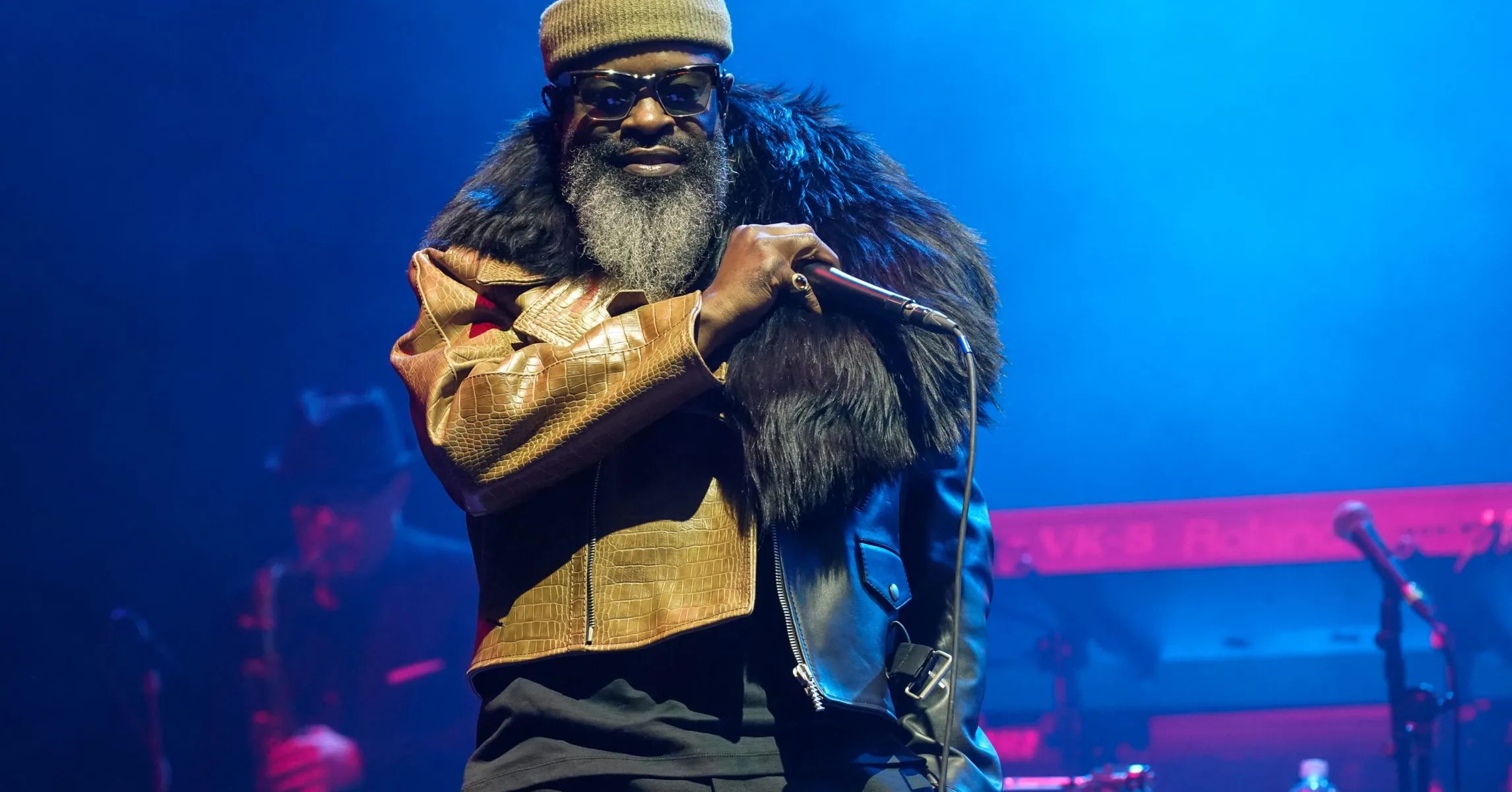
Black Thought and Mach-Hommy's impending collaboration has stirred up rabid excitement among hip-hop fans, but let’s face it—this pairing is less about musical harmony and more about ego. Sure, Black Thought is a living legend, known for his intricate lyricism, while Mach-Hommy has built a cult following with his cryptic releases.
However, when two giants collide, can they deliver more than just lofty expectations? Fans are already predicting a "lyrically dense masterpiece," but such hyperbole sets the stage for disappointment. These artists have long danced around the idea of collaborating, yet the hype seems built on mutual admiration rather than genuine musical chemistry.
Let’s not forget that Mach’s unpredictable nature might yield a project that doesn’t cater to mainstream tastes, and Black Thought's established fanbase may struggle to embrace that.
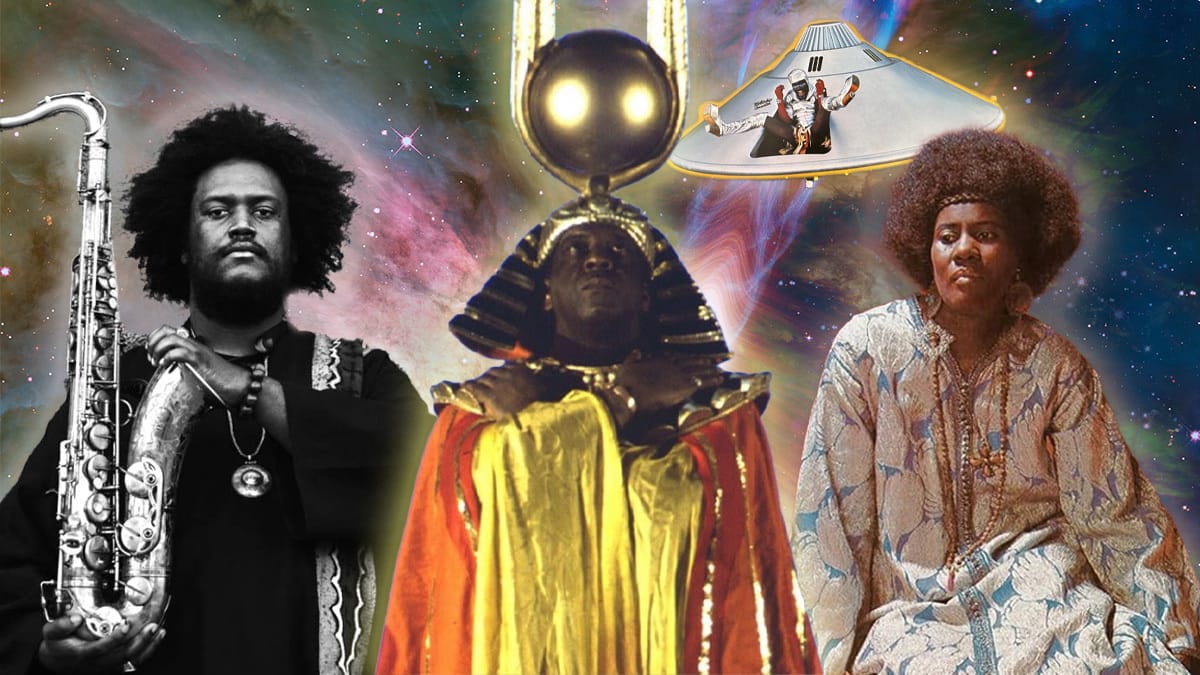
In an era where the musical landscape is inundated with mediocrity, "How Afrofuturism Offers a Profound Understanding of Space in 10 Albums" aims to elevate the audacious works of visionary Black artists while insinuating that mainstream music is utterly lacking in depth. Afrofuturism, a term that invokes both intrigue and resistance, is portrayed as the ultimate escape from systemic oppression — a compelling narrative that some might argue romanticizes struggle while simultaneously championing creativity.
The article venerates legends like Sun Ra and Alice Coltrane for their space-bound philosophies, suggesting that their cosmic soundscapes are not just art but acts of rebellion against a constricted cultural imagination. With albums serving as portals to freedom, we are beckoned to discard boring conventions in favor of limitless exploration.
Yet, in a world so obsessed with genre-bending, one must question whether these celestial offerings are truly groundbreaking or just another phase in the cyclic nature of artistic rebellion.

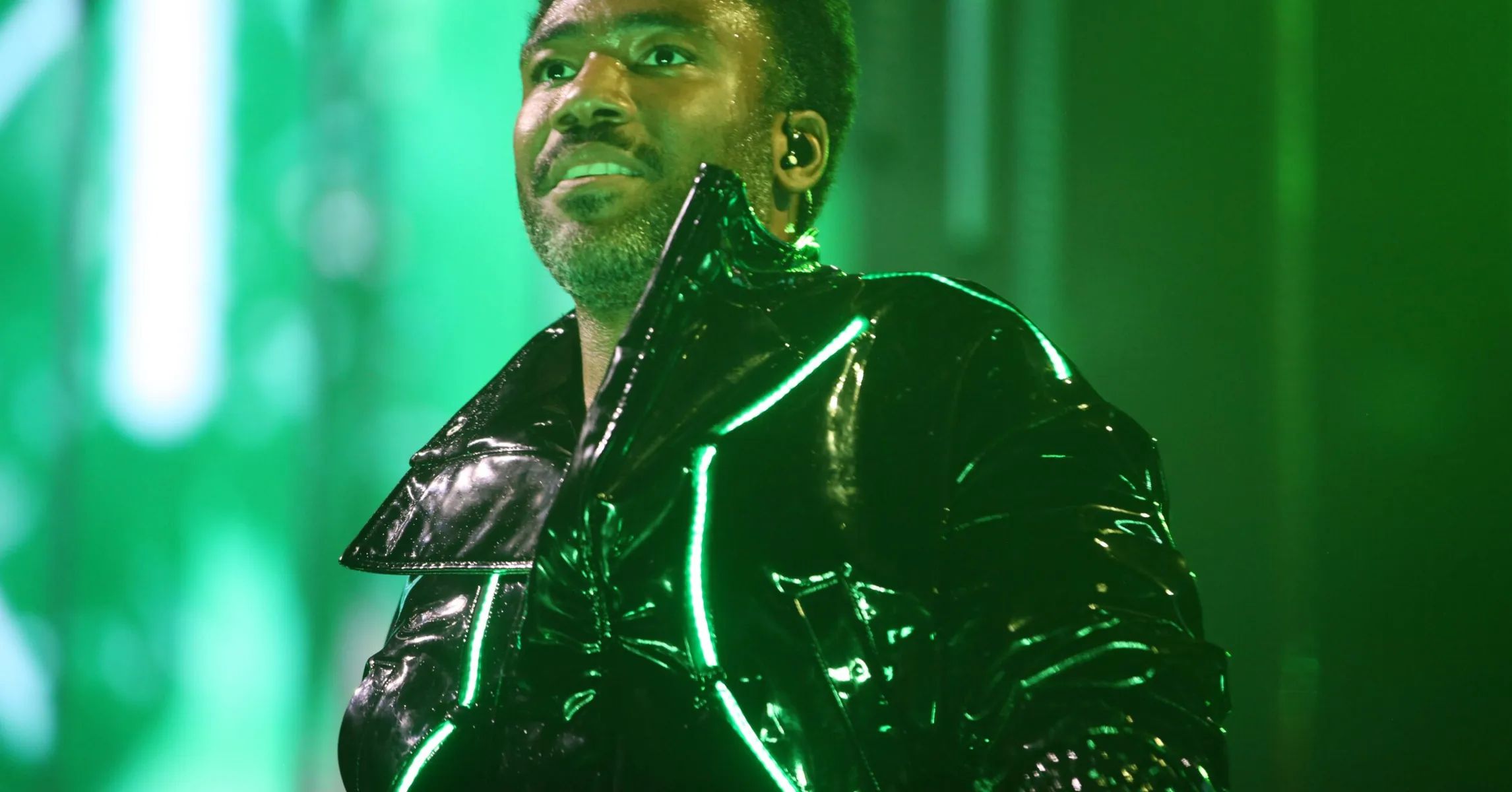
In a shocking legal twist, Childish Gambino—aka Donald Glover—has emerged victorious in the frivolous copyright lawsuit brought against him by wannabe rapper Kidd Wes over “This Is America.” The court didn’t just dismiss the lawsuit; it slammed the door on Wes, who failed to register his alleged copyrighted material before making his weak claims.
Seriously, after three years of watching Glover’s cultural juggernaut dominate, Wes decided it was time to cash in with a lawsuit that screamed, "I’m bitter I didn’t get my moment!" The judge's ruling to make Wes cough up $286,475 in legal fees serves as a much-needed warning to copycats lurking in the shadows. It’s a victory not just for Gambino, but for the integrity of artistic creation in an era rife with opportunistic claims.
A lesson learned: If you don’t protect your work, don’t expect the courts to bail you out when jealousy bites you in the behind.
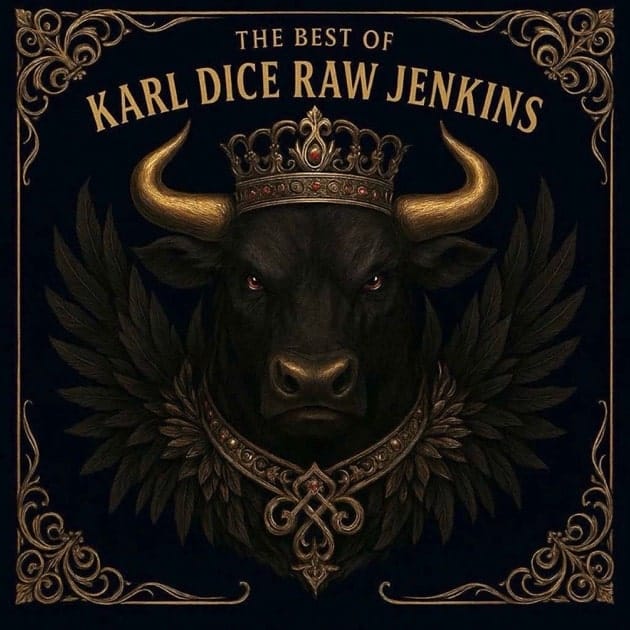
In an unexpected, yet not-so-surprising twist, Dice Raw has resurrected a track with Musiq Soulchild, titled "Dice & Musiq," and it’s being paraded as a new release. But let's cut through the hype.
This gem sat tucked away for years, only surfacing as part of Dice Raw's "Best Of" collection. Sure, the collaboration dips into that old-school neo-soul vibe, but why dig up something from the past and market it as fresh? It feels more like a cash grab than a celebration of artistry, revealing the desperate lengths artists will go to cling to their glory days.
While the track merges Dice's raw lyricism with Musiq's smooth vocals effectively, it raises questions about the originality in today's music scene. Are we truly witnessing artistic evolution or simply recycling the past? One thing’s for certain: the nostalgia machine is in full swing, spinning old tracks as new treasures.
/
Gif by solussupply on Giphy
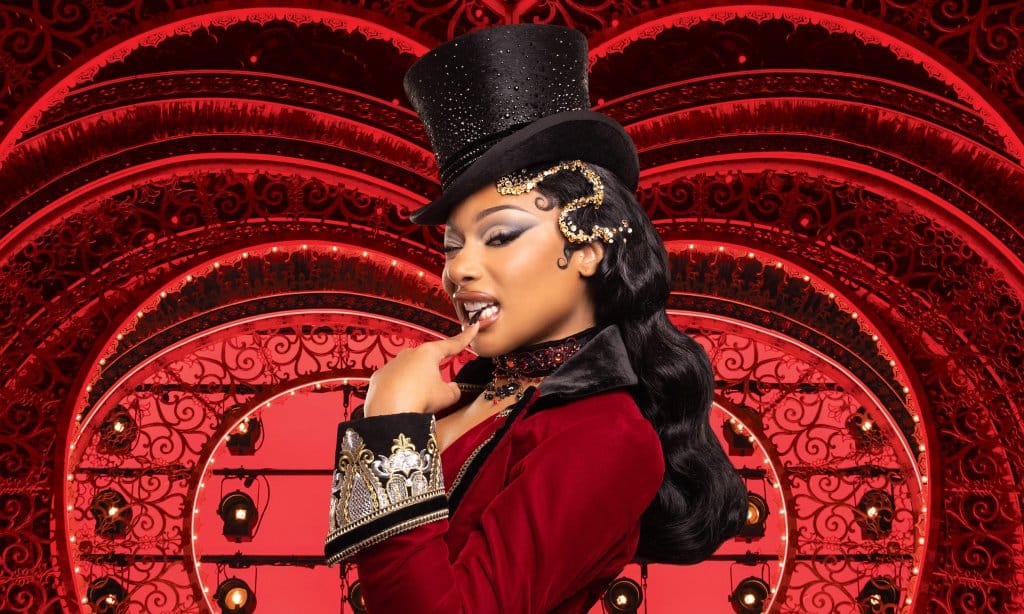
Megan Thee Stallion is poised to make her Broadway debut as Zidler in "Moulin Rouge! The Musical," marking a historic moment as the first female-identifying performer to take on this role worldwide. While her three Grammy wins attest to her talent, one must wonder if her star power overshadows seasoned Broadway actors.
The hype surrounding her 8-week run is palpable, but is it just celebrity culture running rampant? This sensationalized introduction risks marginalizing the artistry of theater, prioritizing box office sales over genuine performance skill. Despite being part of a Tony Award-winning production enjoyed by millions, the musical landscape could suffer from such high-profile casting that emphasizes fame over theatrical merit.
As eager "Hotties" rush for tickets, one can’t help but question whether the theater is becoming just another platform for pop culture titans, with authenticity taking a backseat.
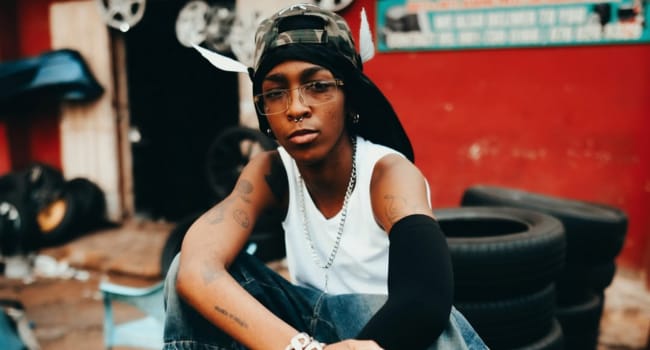
K.Keed is at it again, stirring the pot in South Africa's hip-hop scene with a new music release next month.
While fans are buzzing with excitement over his upcoming single "ABENAM," featuring Orish3000, one has to wonder if this is merely a strategic play to keep his name relevant amid fierce competition and fading glory. The rapper claims "UMG II" is also on the horizon—another potential sequel in a long line of musical mediocrity.
With rising streaming numbers, can we really expect something groundbreaking, or are we just getting more of the same polished trap beats and predictable lyrics? K.Keed’s teaser is generating hype, but is it a genuine artistic evolution, or are we just witnessing his desperate bid for attention in a crowded space? As controversies swirl within the industry, it’s clear that 2026 could either be a triumphant comeback or another uninspired chapter in K.
Keed’s career.
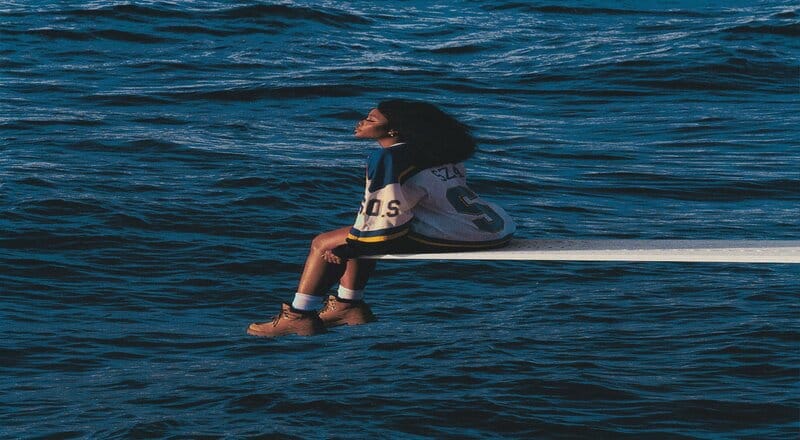
SZA's "SOS" hitting diamond eligibility is proof that the music industry is evolving in some baffling ways. Four years post-release, this album is not just another commercial hit — it's an anomaly, defying conventional album life cycles.
In a streaming era where songs shelf life has been extended, we’re forced to question what success even means anymore. Is it quality or mere algorithmic persistence that propels an album like this to diamond status? While traditionalists might argue it undermines the artistic integrity of music, the truth is that SZA has brilliantly gamified this system.
Through social media and continuous creative updates, she's maintained visibility and engagement, ensuring that a record released four years ago still feels fresh. Yet, one has to wonder: will the next generation of artists learn to ride this wave, or will it mark the decline of genuine musical evolution? Welcome to the potentially hollow future of R&B.
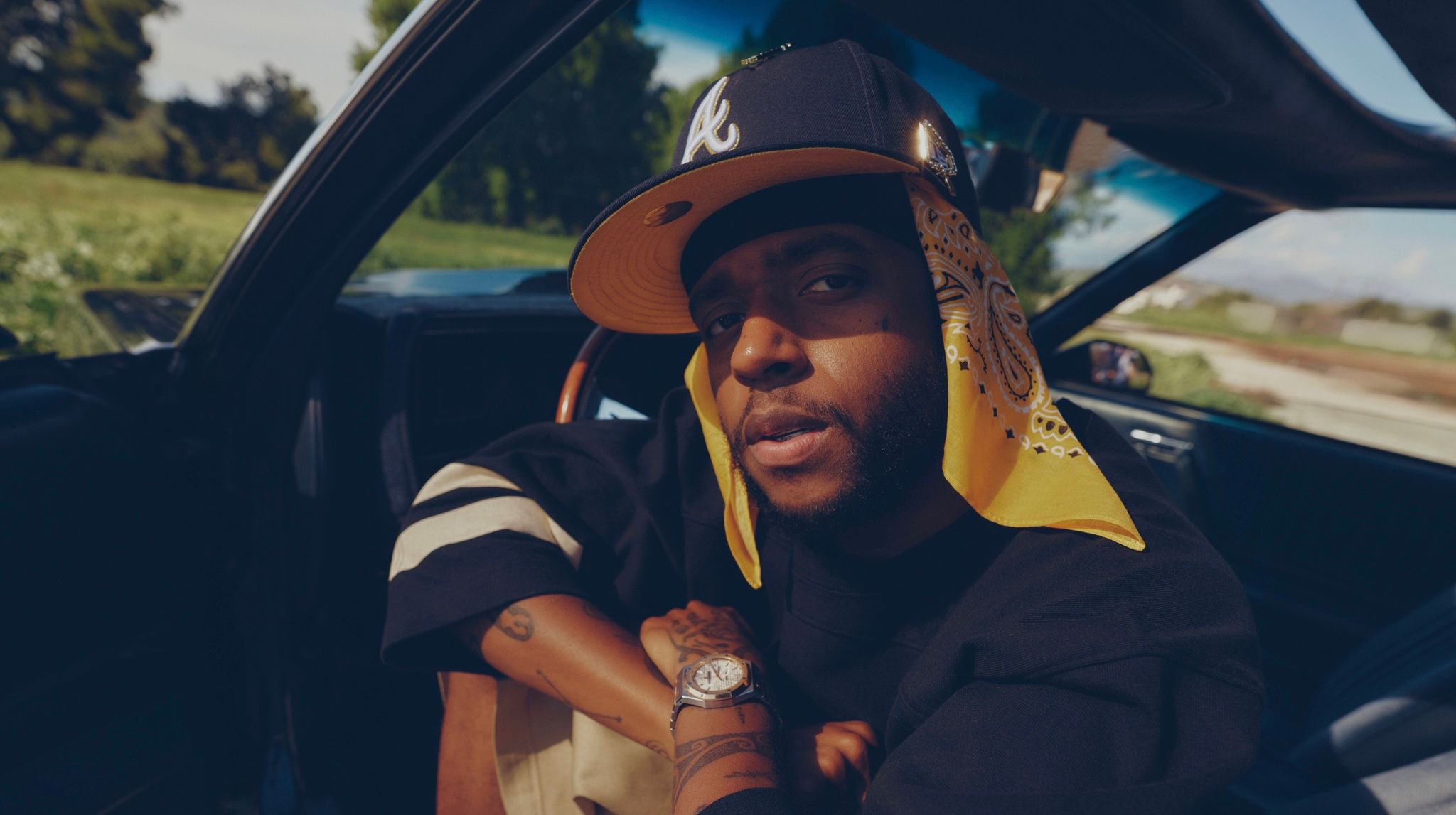
6LACK's upcoming album, Love Is The New Gangsta, is poised to be more than just a collection of tracks; it’s a manifesto that challenges the norms of masculinity and emotional expression in R&B. Set for release on May 22, the album's title alone has sparked debate, flipping the notion of strength on its head and framing vulnerability as the ultimate gangsta move.
Fans of the Atlanta artist have eagerly awaited this moment, and the early single "Bird Flu" is already drawing attention for its hauntingly raw sound. As he embarks on this new chapter, 6LACK continues to defy the industry's relentless pace, prioritizing authenticity over hype.
This move raises eyebrows—can he keep the momentum going in a genre obsessed with trend-chasing? With a carefully curated 15 tracks, Love Is The New Gangsta may well redefine the landscape of modern R&B or risk becoming another fleeting moment in an overcrowded market.
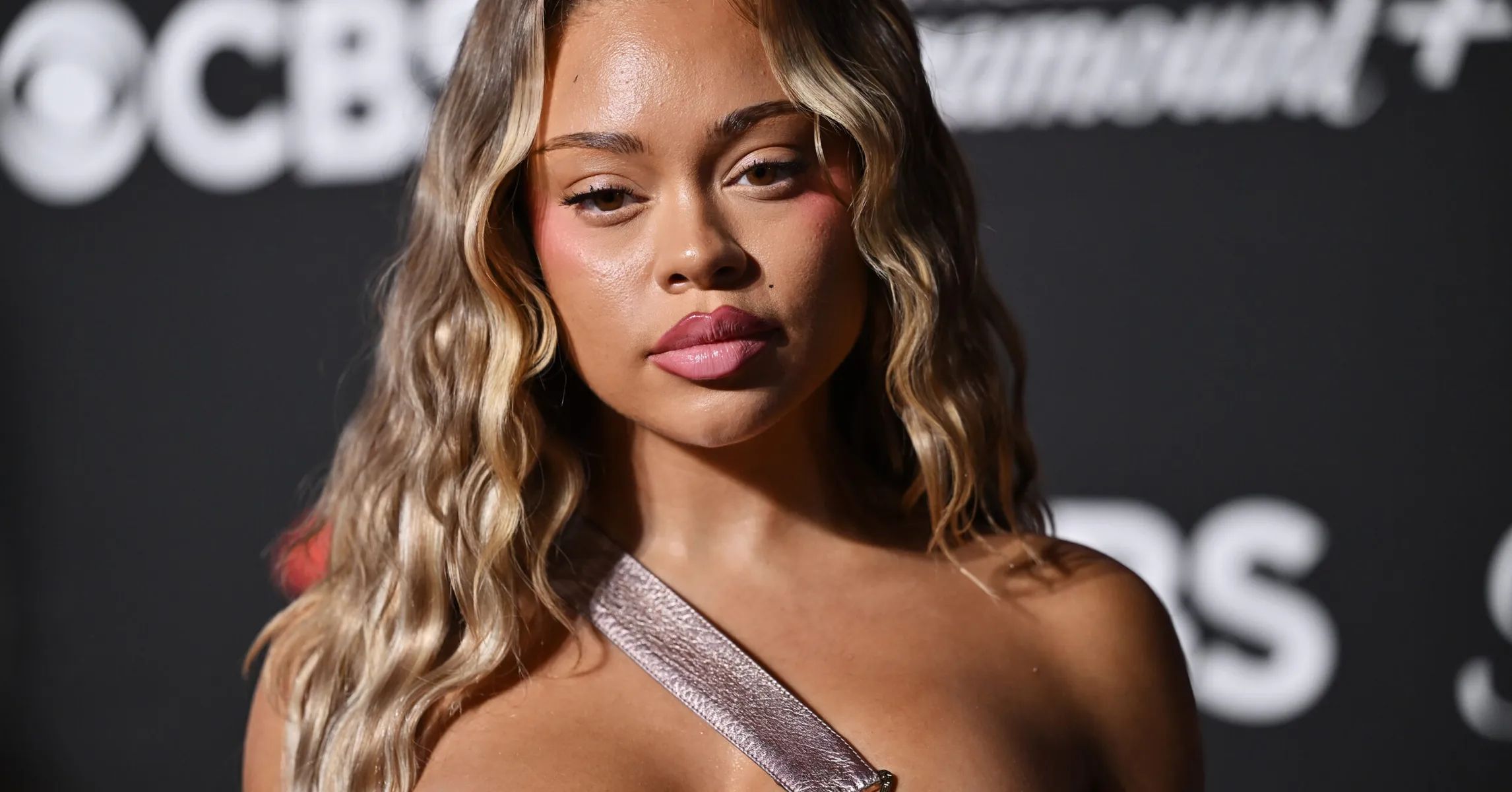
Latto's pregnancy announcement comes packaged with her new album titled Big Mama, but is it a genuine moment or just another calculated strategy to boost her career? Sure, she’s entering motherhood, but is this really about family, or is it a publicity stunt designed to keep her relevant in an industry that chews up and spits out artists faster than you can hit play? The Atlanta rapper has teased her fans mercilessly, leaving them in suspense over her baby bump for months. Now, bolstered by a mysterious Instagram video, she embraces both personal and professional milestones, blending them for maximum impact.
Yet, as some speculate about the authenticity of her relationship with 21 Savage, one can't help but question whether this revelation is simply a marketing gimmick to fuel her next artistic phase.
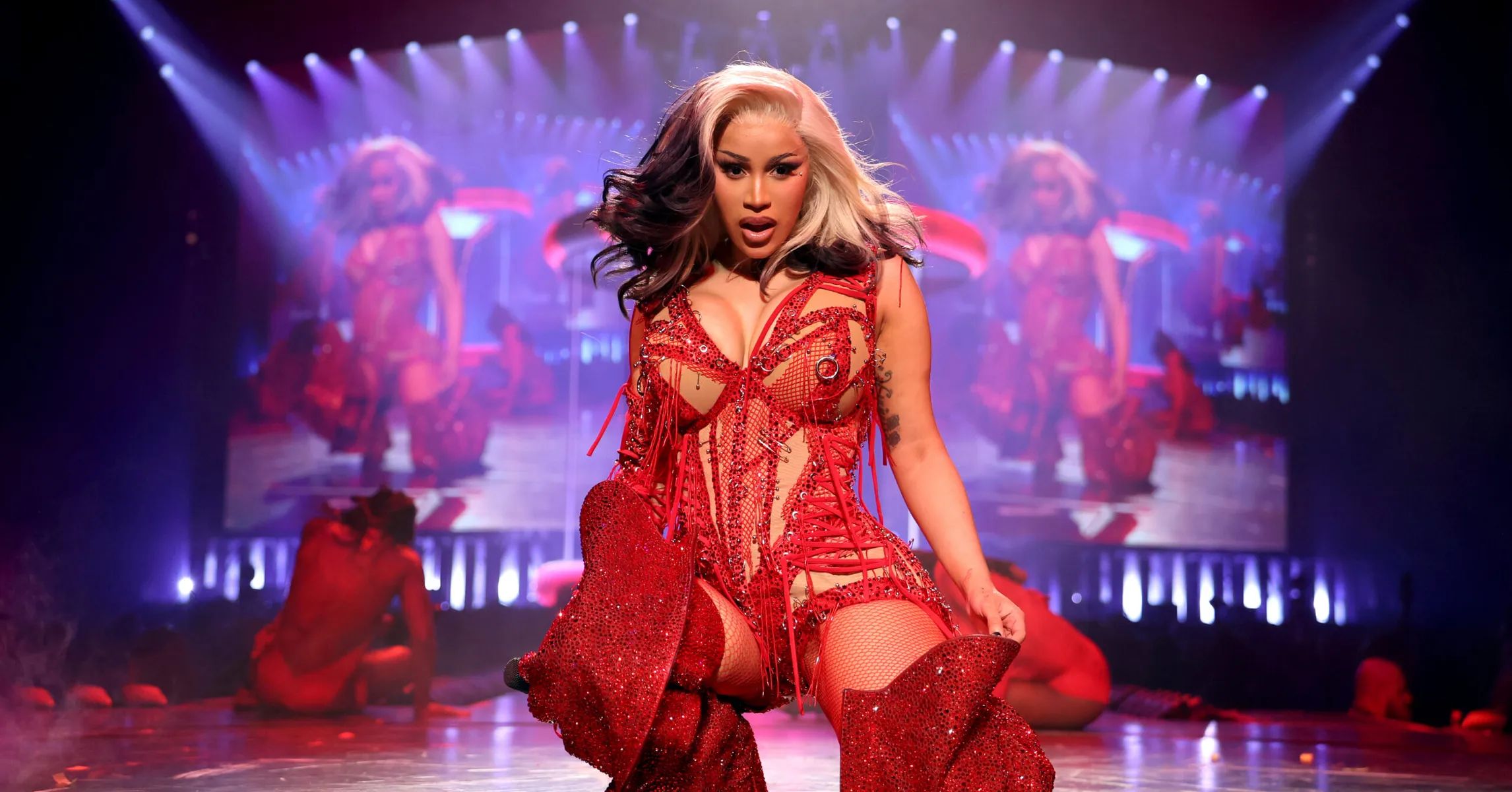
In a strikingly vulnerable admission, Cardi B confessed her intimidation after selling out the T-Mobile Center in Kansas City—a historic feat as the first female rapper to do so. Despite her extensive career and global fame, she found herself awestruck by the 19,000 fans who came to see her, questioning, "God how did this happen?" This begs the question: Is Cardi still just a girl from the Bronx trying to grasp her own success, or is this a calculated move to stay relatable?
Critics might argue that such sentiments feel overly humble given her celebrity status, but Cardi’s candidness also serves a strategic narrative, blending entertainment with social commentary.
As she takes her "Little Miss Drama" tour across North America, addressing pressing issues like immigration and Latino identity, one can’t help but wonder if these moments of authenticity truly reflect her or are merely part of a broader PR strategy.