- THE DIGITAL DEN
- Posts
- The Digital Den
The Digital Den

THE DIGITAL DEN
December 17, 2025
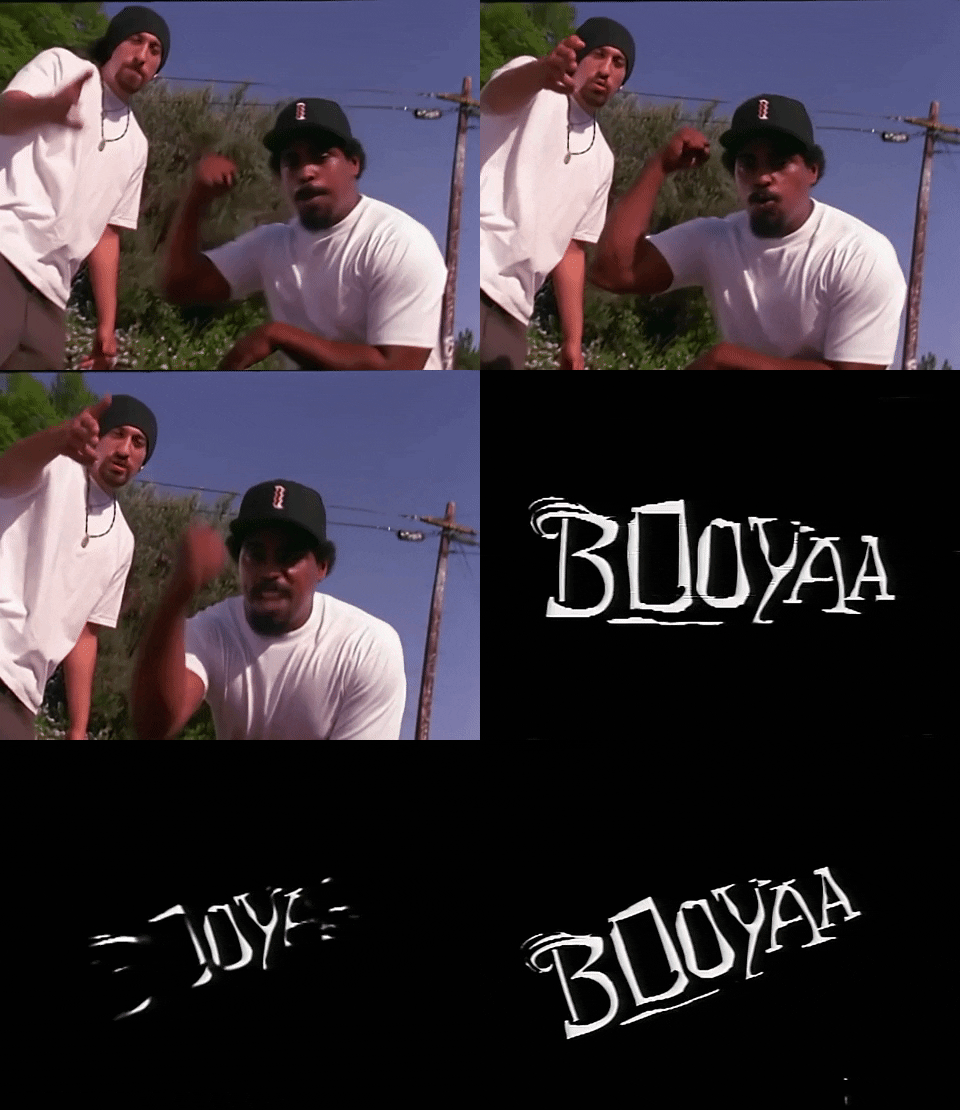

Nas and DJ Premier's long-awaited album, "Light-Years," has finally dropped, but is it really the nostalgic triumph fans have been clamoring for? The duo—creators of legendary tracks from “Illmatic”—attempts to revive their golden era chemistry, but how relevant is that in today's evolving hip-hop landscape? While "Light-Years" boasts 15 tracks and a guest feature from AZ, one can't help but wonder if this project is simply a feeble attempt to cling to a bygone era rather than truly innovating. Nas' recent musings about Hip Hop being "kind of dead" raise eyebrows—can two artists anchored in the 90s even navigate the shifting sands of today's music scene? They may be legends, but their return feels like a nostalgic gimmick rather than a groundbreaking statement.
Is this album a worthy addition to hip-hop's legacy, or just another retread of past glories? Only time (and ears) will tell.

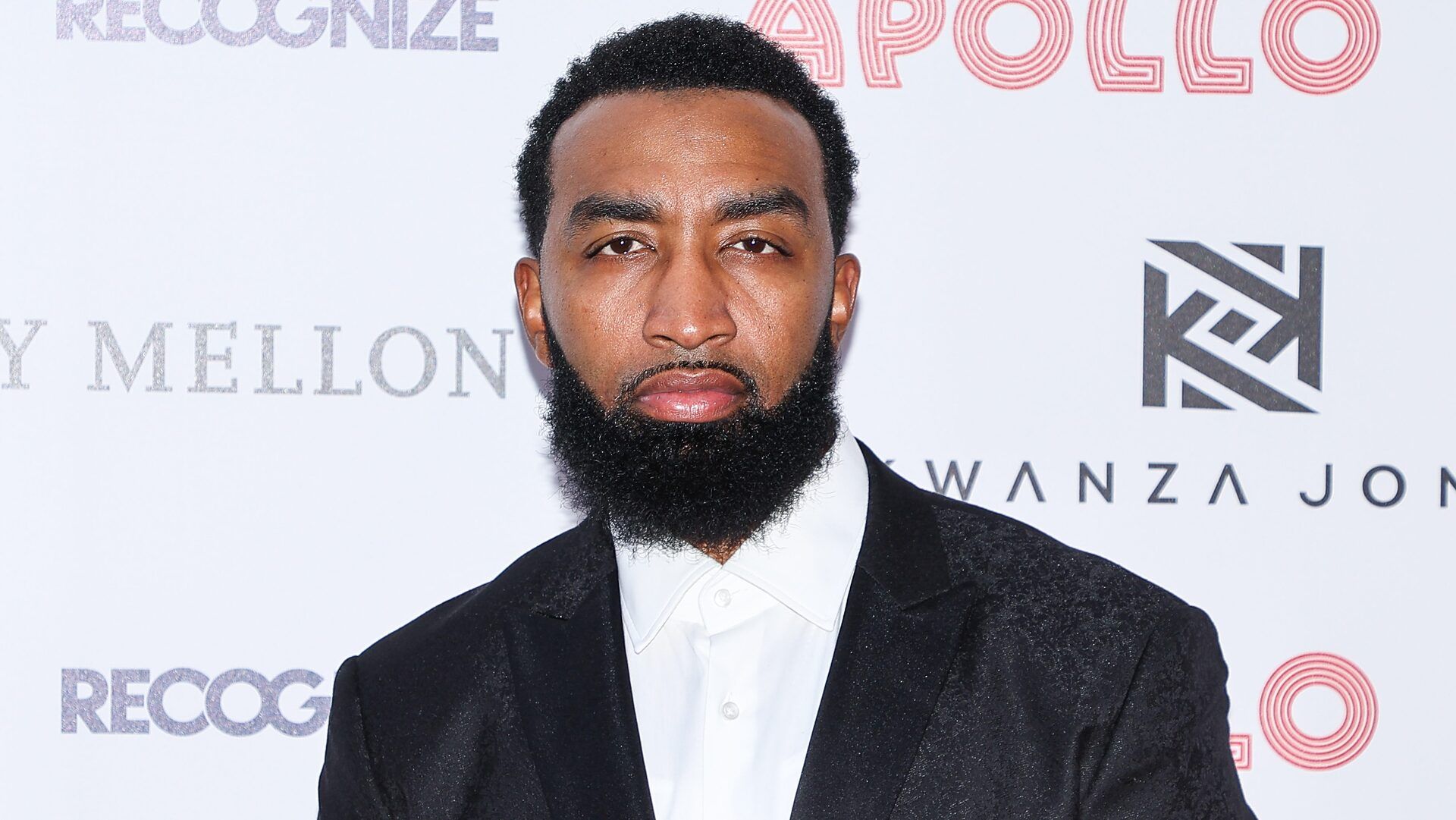
Mysonne’s appointment to the transition team of NYC Mayor-Elect Zohran Mamdani has stirred up a hornet's nest of controversy. Critics are quick to point out Mysonne’s criminal past, claiming his history of incarceration disqualifies him from advising on public policy.
But this line of thinking is outdated. Advocates argue that individuals like Mysonne, who have lived the realities of the justice system, offer invaluable insights that can drive real change.
His role is a bold statement about the growing political power of hip-hop, challenging the notion that only those with “clean” records are fit for leadership. His involvement raises crucial questions: Is society ready to embrace redemption, or do we continue to let past mistakes dictate future opportunities? The appointment signals a potential shift in political norms, making some uneasy in a landscape where hip-hop's influence continues to rise.

Alabareports has just unleashed the "Latest Naija Afrobeat Mixtape" featuring DJ Max, self-proclaimed "King of DJs," and the hype is already spiraling out of control. But let’s call it what it is: another cookie-cutter Afrobeat mixtape flooding the already saturated market.
Sure, it’s designed to get you moving, but does anyone really need another collection of party anthems churned out by a well-connected DJ? Let's face it, the genre is ripe for innovation yet appears to be stuck in a repetitive loop. Will this mixtape truly deserve a spot in your music library, or will it be another forgettable drop lost in the abyss of streaming services? Time will tell, and perhaps the real challenge is for artists to break away from the formulaic hits we’ve all heard a thousand times before.
Download at your own risk; the party is either overhyped or an instant classic.
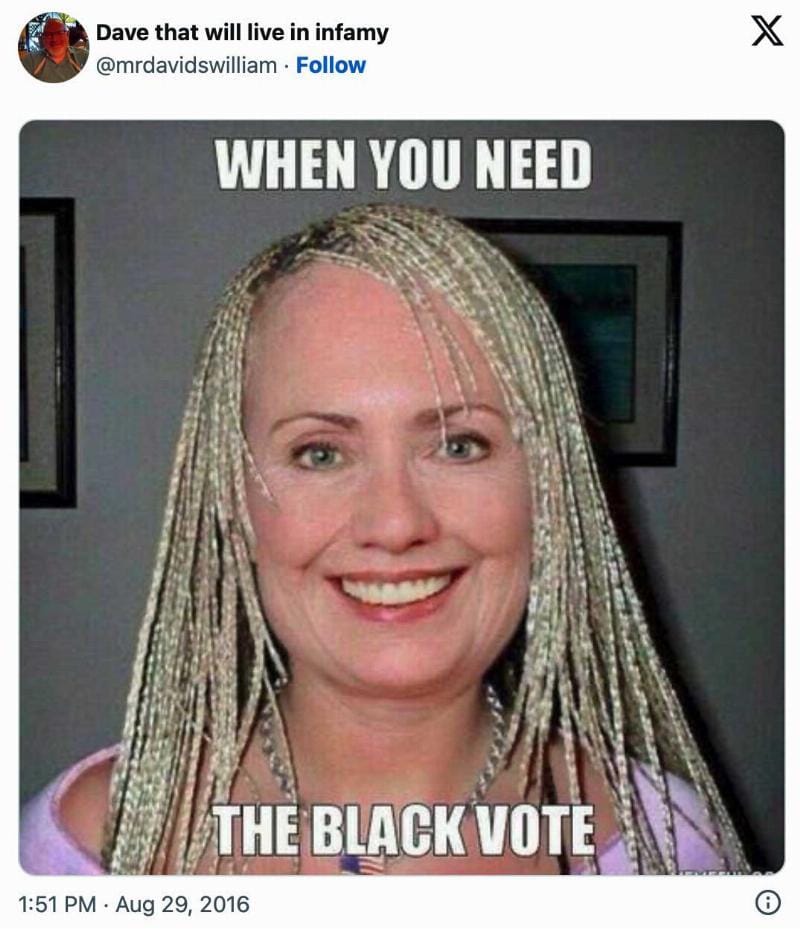
The article critiques the long-standing defense of Ebonics, portrayed as a misguided attempt by academics and Democrats to elevate a non-standard form of English over traditional grammar and structure. The author argues that this cultural relativism promotes laziness and undermines educational standards, labeling the embrace of what is now referred to as African American Vernacular English (AAVE) as a manifestation of "linguistic white supremacy.
" He cites Metropolitan State University of Denver's initiatives to challenge "Standard American English" as symptomatic of a broader educational crisis where coherent communication and academic rigor are sacrificed for hollow gestures of inclusivity. Highlighting the ridiculousness of an institution warning against culturally relevant prompts, the article suggests that educators are more concerned with maintaining their ideological positions than with equipping students for success.
Ultimately, it portrays the persistence of Ebonics in academia as a troubling symptom of a society increasingly disconnected from objective standards and intellectual substance.
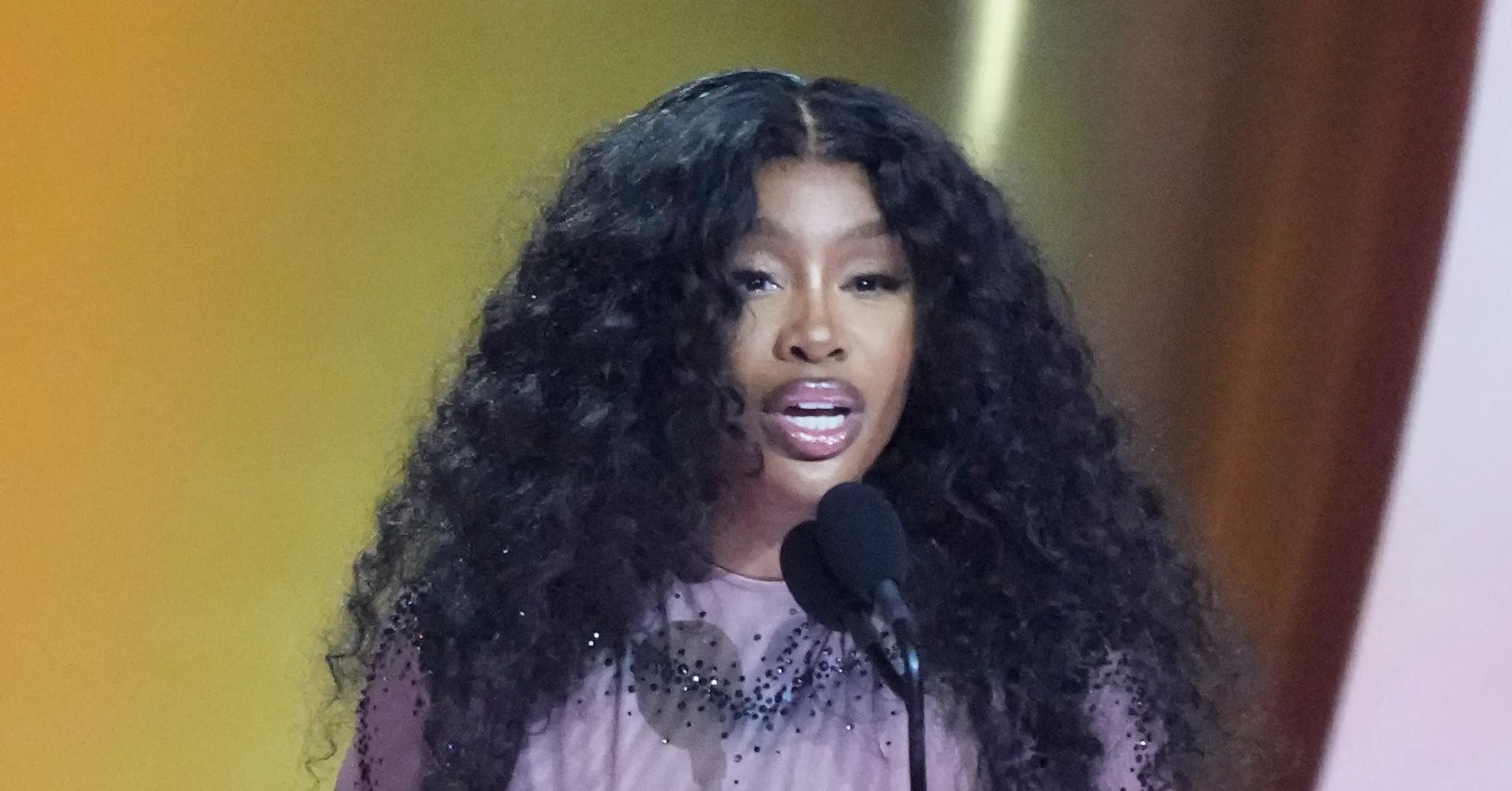
In a striking display of artistic integrity, SZA has called out the White House for brazenly using her song "Big Boys" in a pro-ICE propaganda video. Set against the backdrop of ICE officers arresting individuals, the White House captioned the post with a cringeworthy attempt at humor about "cuffing season," clearly aiming to provoke outrage and controversy.
SZA didn’t hold back, denouncing the administration’s tactic as "nasty business" that exploits artists for political gain. She’s not alone—multiple artists have condemned such misappropriations of their music, with reactions ranging from disgust to outright fury.
The White House’s reaction is equally tone-deaf, as a spokesperson twisted SZA’s criticism into a promotion of ICE's work, turning this already shady episode into a grotesque PR stunt. This incident raises serious questions about ethics in political messaging, provoking outrage from artists and fans alike.

21 Savage's latest album, What Happened to the Streets?, closes with a tribute that’s stirring up controversy by sampling R. Kelly's "I Wish.
" While the emotional tribute to late hip-hop legends like Young Dolph and Nipsey Hussle aims to honor their legacies, it raises eyebrows, given R. Kelly's infamous criminal history.
Critics question the decision to revisit the discography of a convicted child predator, arguing it tarnishes the purity of Savage’s heartfelt message and underscores the complexities of grieving in an industry rife with tragedy. Despite the heavy thematic weight, using a convicted abuser's work could alienate fans who champion accountability over artistic expression.
Yet, 21 Savage bravely tackles the raw realities of loss in hip-hop while testing the waters of conventional morality. Ultimately, the debate lies at the intersection of artistic freedom and moral responsibility in a culture that often glamorizes tragedy.

French Montana and Max B are set to drop their new single "Make America Wavy Again," a seemingly desperate attempt to revive their Coke Wave mixtape series. The duo, who laid low while Max served a 16-year prison sentence for a murder and robbery conviction, are now pushing their brand as if years of controversy and crime didn’t define them.
Their upcoming project, Coke Wave 3.5: Narcos, promises to be another spectacle, parading their problematic past while dismissing the seriousness of their former lifestyle.
Critics may question whether fans really want to celebrate the return of two rappers who once glorified violence and crime but are now pandering for attention.

NBA YoungBoy's much-anticipated album "Slime Cry" has hit yet another snag, leaving fans fuming and frustrated. The rapper, who initially promised to deliver the project on Black Friday, has now unceremoniously declared that it’s not coming anytime soon, cryptically stating, “I don’t think loading.
” This latest blow has incited a wave of backlash from his supporters, many of whom spent their Thanksgiving eagerly awaiting the release—only to be left in the lurch. Disappointment turned to outrage as some took to social media, blasting YB for his lack of accountability.
"Thanks for ruining my Thanksgiving," one fan tweeted, echoing the sentiments of many left holding their cold plates in despair. While YoungBoy continues to churn out singles and tour across the U.
S., this latest delay raises questions about his commitment to his fans and whether they should continue to support this erratic artist.

The upcoming release of the Free The Youth x Air Jordan 16 on June 13, 2026, is being heralded as a groundbreaking collaboration, but let's not get too swept up in the hype. While the shoe integrates cultural storytelling with a redesign of a notoriously divisive silhouette, one has to question if it truly deserves the elevated status it's being given.
Yes, Free The Youth—a Ghanaian streetwear collective—is making waves, but does that automatically mean the Air Jordan 16 is being transformed into a must-have item? The shoe features an array of bold yet controlled aesthetics, and while Jordan Brand avoids over-complication, it may still fail to win over traditionalists. This collaboration, touted as a conversation starter, risks becoming just another marketing ploy couched in cultural significance.
Ultimately, it’s a clever move to broaden the narrative around sneaker culture, but whether it clicks with fans remains to be seen.

Wyclef Jean's latest music video, "Back From Abu Dhabi," featuring Rick Ross and French Montana, is more than just a nostalgic trip back to his hip-hop roots—it's a flashy attempt to re-establish relevance. Released shortly after his appearance at the FIFA World Cup draw, it raises eyebrows over whether this pivot is a genuine expression of creativity or a desperate bid for attention amidst looming anniversaries and an upcoming album.
The juxtaposition of high-fashion visuals from Abu Dhabi with gritty New Jersey backdrops feels disjointed, almost like cultural appropriation wrapped in borrowed authenticity. As Wyclef plays the role of global ambassador for Haiti, one can’t help but question if this artistic reset is truly reflective of his roots or simply a spectacle designed to cash in on nostalgia and celebrity.
Where's the substance in this flashy project? It seems like a calculated move masquerading as artistic evolution.